Prada Denim Jacket Review: Fit, Details, Styling

Prada Denim Jacket: Design Notes, Fit, and Styling Ideas
A denim jacket can be a year-round layer, but the details determine whether it feels ordinary or unmistakably refined. This Prada denim jacket focuses on clean lines, premium construction, and versatile proportions that work with casual outfits and sharper looks alike. The result is a piece that can live on the back of a chair for daily wear, yet still look intentional when paired with tailored separates. For more guidance, see Prada (@prada) • Instagram photos and videos.
If you’re comparing options, it helps to look beyond the wash and logo. Denim weight, seam control, hardware, and fit through the shoulders are the small things that add up to a jacket that keeps its shape and stays in rotation. For brand reference and current collections, visit Prada — Official Website. For further reading, see Prada Denim Jacket reps – SneakerCool.
What Stands Out at a Glance
- Denim outerwear with a polished, minimal aesthetic suited to everyday wear
- Easy layering piece for transitional weather and temperature changes
- Works across casual-to-smart casual outfits depending on styling
- Best results come from dialing in fit (shoulders, sleeve length, and body length)
Clean denim reads elevated when the lines are uninterrupted: neat topstitching, a collar that lies flat, and a body that doesn’t balloon. Those factors make a designer denim jacket feel more like a refined outer layer than a basic throw-on.
Materials and Construction: What to Look For
Denim jackets look simple, but construction is where quality shows. Midweight denim is a sweet spot for many wardrobes: it holds structure through the torso and collar, yet still drapes naturally over tees and knits. When denim is too light, the jacket can collapse and wrinkle; too heavy, and it can feel stiff and overly boxy.
- Denim weight: midweight denim tends to drape cleanly while still holding structure
- Seam quality: consistent stitching and reinforced stress points improve longevity
- Hardware: sturdy buttons and cleanly finished buttonholes signal better craftsmanship
- Finishing: even dye, tidy interior seams, and smooth collar shaping elevate the overall look
Quick construction checklist
| Detail | Why it matters | What to check |
|---|---|---|
| Shoulder seams | Keeps the jacket sitting neatly | Seams align and lie flat without puckering |
| Cuffs and hem | Improves shape retention | Clean topstitching and even hems |
| Buttons/hardware | Daily durability | Secure attachment, smooth operation |
| Collar | Frames the face and layers well | Holds shape; sits flat when open or closed |
For ongoing fabric longevity, solid care habits matter as much as build quality. Practical guidance on cotton and washing basics can be found at Cotton Incorporated — Cotton Care.
Fit and Sizing: Getting the Proportions Right
The fastest way to make a denim jacket look more expensive is to get the shoulders and sleeves right. When those anchor points are correct, the rest of the outfit looks cleaner—even if it’s just jeans and a tee.
- Shoulders: the seam should land close to the shoulder edge for a tailored look; slightly dropped shoulders read more relaxed
- Chest and body: allow enough room to button without pulling; leave space for a knit or hoodie if layering is the goal
- Sleeve length: cuffs should hit around the wrist; longer sleeves can be styled with a deliberate cuff
- Length: cropped styles emphasize the waist; longer cuts pair well with slim trousers and boots
A quick fit check: button the jacket and reach forward as if grabbing a steering wheel. If the back feels tight across the shoulder blades, size or cut may be too slim for comfortable layering. If the body billows and the shoulder seam drops far past the shoulder edge, it may read overly casual unless that’s the intended look.
Styling Ideas for Different Settings
A minimal denim jacket is a wardrobe connector: it can bridge basics (tees, denim, sneakers) and more tailored pieces (knits, trousers, leather footwear). The main styling lever is contrast—contrast in wash, texture, or silhouette—so the outfit looks composed rather than “all one thing.”
- Off-duty: denim jacket + plain tee + straight-leg jeans in a contrasting wash for separation
- Elevated casual: knit polo or fine-gauge sweater + tailored trousers + minimalist sneakers
- Cold weather layering: hoodie or crewneck sweatshirt under the jacket; add a wool coat on top for warmth
- Evening casual: dark denim jacket + black jeans + leather ankle boots for a sharper silhouette
Outfit formulas that work
| Occasion | Base layer | Bottoms | Footwear |
|---|---|---|---|
| Weekend | White tee | Straight jeans | Sneakers |
| Smart casual | Fine knit | Tailored trousers | Loafers or clean sneakers |
| Travel | Hoodie | Relaxed chinos | Running-inspired sneakers |
| Night out | Black tee | Black denim | Ankle boots |
Shop the look (in stock)
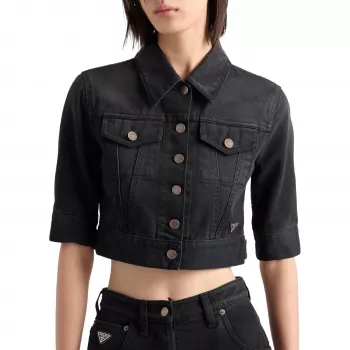
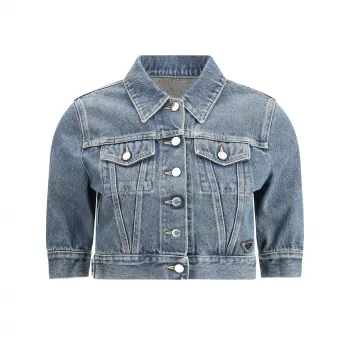
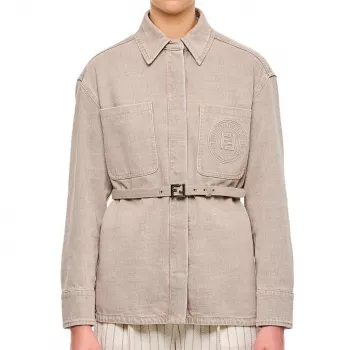
To build a clean, mix-and-match capsule around denim outerwear, these in-stock pieces pair naturally across casual and sharper outfits:
Care and Longevity
Denim rewards restraint. Over-washing can fade color and roughen the surface faster than normal wear. A few small habits keep the jacket looking crisp while still letting it break in naturally.
Price, Value, and When It Makes Sense
FAQ
How should a denim jacket fit in the shoulders?
The shoulder seam should sit close to the shoulder edge for a clean, tailored look. Slightly dropped seams can work for a relaxed style, but avoid tightness or pulling across the upper back when reaching forward.
Can a denim jacket be worn with denim jeans?
Yes—denim-on-denim works well when you use contrasting washes (for example, a darker jacket with lighter jeans) or separate the layers with a neutral top. Keep the silhouette balanced so the outfit looks intentional rather than matchy.
How often should a denim jacket be washed?
Wash sparingly and spot clean when possible. When it needs a full wash, turn it inside out and use cold water on a gentle cycle, then avoid high heat drying to reduce fading and shrinkage.







Leave a comment