Kiton Cashmere Coat: Elegant Fit, Fabric & Care Guide
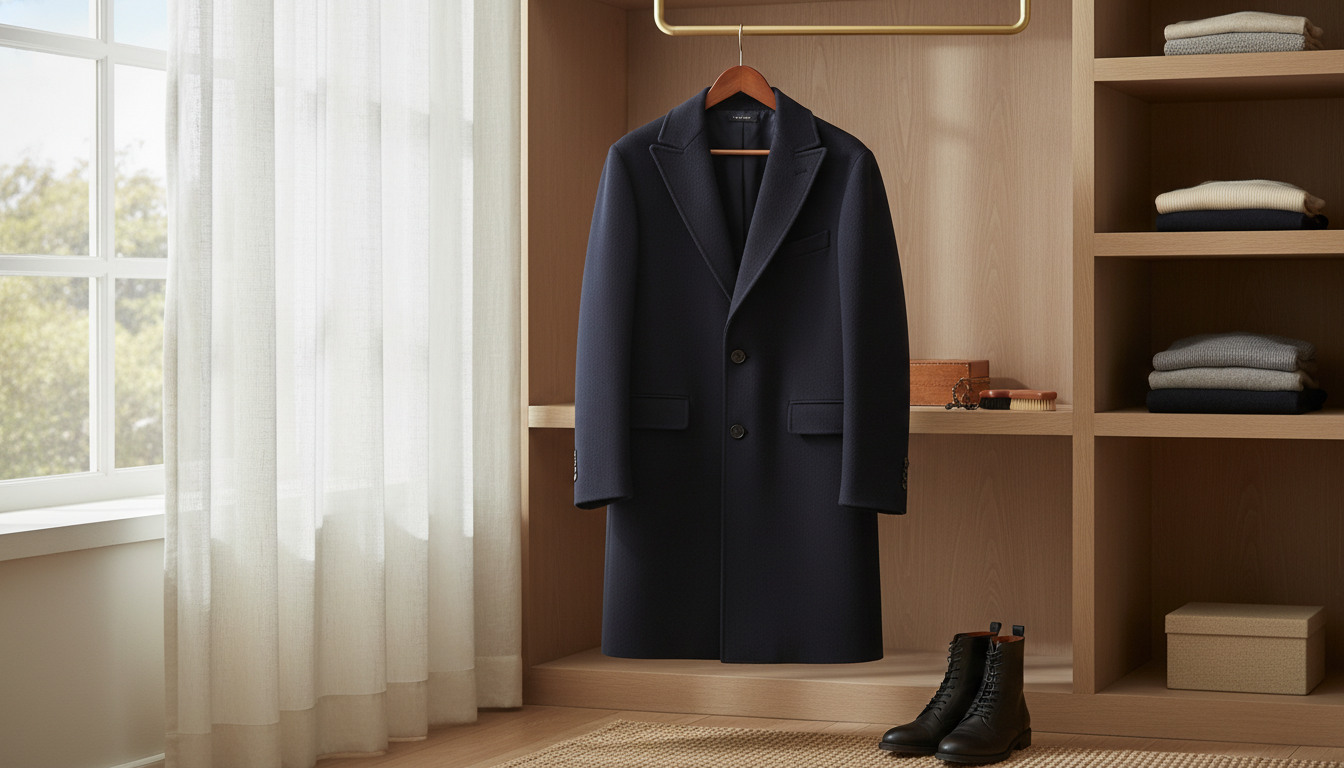
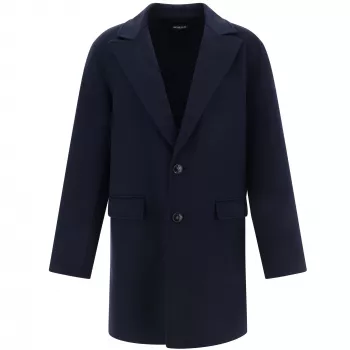
Kiton Cashmere Coat – Classic Elegance for Timeless Style
A cashmere coat is one of the few wardrobe pieces that can elevate everyday dressing while staying quietly refined. The Kiton cashmere coat brings together a clean silhouette, luxurious hand-feel, and lasting versatility—designed to look just as polished over tailoring as it does with knitwear and denim. Below is what to notice in material, construction, fit, and care, along with styling ideas that keep the look timeless season after season.
What makes a cashmere coat feel truly elegant
Elegance in outerwear rarely comes from loud details. It comes from how the coat hangs, how it moves, and how consistently it looks “finished” in real life—walking, sitting, commuting, and traveling.
- A balanced drape: cashmere should fall smoothly without looking stiff or overly slouchy.
- A refined surface: look for a consistent nap and an even tone that doesn’t appear fuzzy or patchy.
- Clean proportions: shoulders that align, lapels that lie flat, and a hem that stays straight when moving.
- Comfort across layers: enough room for a blazer or thick knit without losing shape.
- Quiet finishing: neat topstitching, crisp edges, and closures that sit flat when fastened.
Cashmere’s reputation comes from its fine fibers and soft insulating quality (a helpful primer is available via Encyclopaedia Britannica’s overview of cashmere). In a coat, that softness has to be supported by structure and careful make, otherwise it can look overly relaxed too quickly.
Kiton cashmere coat overview
The Kiton Cashmere Coat – Classic Elegance for Timeless Style is designed as a classic outerwear staple—meant to stay relevant beyond trend cycles. The feel is cashmere-forward: soft, insulating, and comfortable for extended wear, with a profile that transitions easily between formal and smart-casual settings.
- Designed for longevity in both styling and wear.
- Soft warmth without the bulky look that heavier outerwear can create.
- Versatile for commuting, travel, dinners, events, and polished daily use.
- Premium positioning reflected in price and finishing expectations.
At-a-glance details
| Detail | Value |
|---|---|
| Product | Kiton Cashmere Coat – Classic Elegance for Timeless Style |
| Price | $6,973.97 USD |
| Availability | In stock |
| Condition | New (listing) |
| Product page | View product |
Fabric and construction checkpoints to look for
Cashmere is prized for softness, but a coat also needs resilience. The goal is to find a fabric that feels plush and luxurious while still holding a confident line at the collar, lapel, and front edge.
- Fiber feel: cashmere should feel plush yet resilient, not overly delicate or papery.
- Density and warmth: a well-made coat feels substantial for its thickness and holds warmth without bulk.
- Lining and interior finish: smooth lining, tidy seams, and consistent stitching reduce wear over time.
- Edges and structure: collars, lapels, and front panels should keep their line after hours of wear.
- Buttons/closures: secure attachment and clean alignment help the front sit correctly.
As a rule, the most convincing coats look composed even when unbuttoned. If the front panels collapse, twist, or flare oddly when you walk, the fabric/structure balance may be off.
Fit and silhouette: how it should sit on the body
Fit is where luxury becomes obvious. A great cashmere coat should look clean over tailoring and still feel easy when layered over heavier knits. Try it on the way it will actually be worn—over your “max layer” (often a suit jacket or thick sweater).
- Shoulders: seams should land close to the shoulder edge without pulling.
- Chest and torso: enough ease to button comfortably over a blazer; no strain lines near buttons.
- Sleeve length: ideally ends near the wrist bone, allowing a subtle shirt cuff to show if desired.
- Coat length: mid-length for versatility; longer for maximum elegance and warmth.
- Movement test: raise arms and sit down; the coat should remain comfortable without riding up excessively.
If the coat feels perfect standing still but tight across the upper back when you reach forward, sizing up (or choosing a different cut) is often the more elegant solution than forcing a close fit.
Styling ideas that keep the look timeless
A cashmere coat is at its best when the styling stays clean and intentional. Instead of stacking multiple statement items, let the coat be the quiet centerpiece and keep the rest disciplined.
Care and longevity: keeping cashmere looking pristine
Cashmere rewards gentle, consistent care. The main threats are friction (pilling), over-cleaning, and improper storage that crushes the nap or traps moisture. For general fine-fiber care principles, the Woolmark care guidance is a useful baseline.
Luxury pairing ideas from the shop
- For warmer days or transitional layering, add a premium knit alternative like the Brunello Cucinelli Linen Polo Shirt – Premium Mélange Classic.
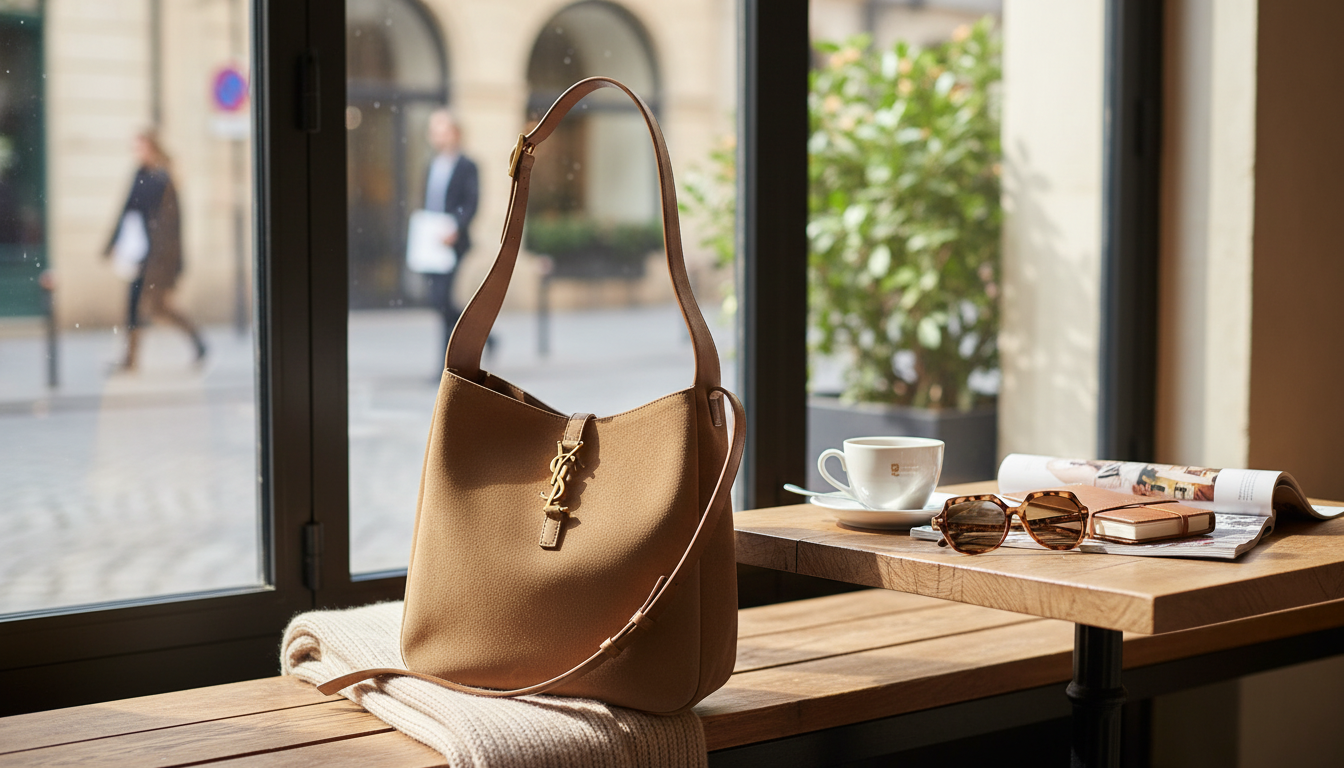
- For events and polished outfits, a structured classic bag complements tailored outerwear—consider the Preowned Chanel Caviar Double Flap Bag Medium.
- When the goal is a single statement layer, keep everything else streamlined and let the Kiton Cashmere Coat – Classic Elegance for Timeless Style define the silhouette.
FAQ
How warm is a cashmere coat compared with wool?
Cashmere often feels warmer for its weight because the fibers insulate efficiently, but total warmth depends on fabric density, lining, wind resistance, and coat length. In very cold or windy conditions, layering (and choosing a longer length) can matter more than fiber alone.
How should a cashmere coat fit over a suit jacket?
Try it on over the thickest layer you plan to wear, then button it fully: the shoulders should sit cleanly, the front should close without pulling, and the armholes should allow comfortable movement. If you see strain lines near the buttons or feel tightness across the upper back, you likely need more room in the chest or shoulders.
How can pilling be reduced on cashmere outerwear?
Pilling is most common at friction points like sleeves, side seams, and where bag straps rub. Rotate wears, brush lightly to keep the surface even, and remove pills gently with a cashmere comb while avoiding harsh abrasion or overly frequent cleaning.









Leave a comment