Cardiologists on Apple Watch: Helpful Clue, Not Diagnosis

What do cardiologists think of Apple Watch?
Many cardiologists view the Apple Watch as a helpful consumer tool for spotting certain patterns—especially irregular heart rhythms—but not as a replacement for medical evaluation. Features like heart rate tracking and irregular rhythm notifications can prompt people to seek care sooner, which can be valuable when symptoms are subtle or intermittent.
That said, cardiologists commonly emphasize context: a watch can measure trends and detect signals, but it cannot diagnose conditions on its own. Notifications may be triggered by motion, poor sensor contact, skin factors, or benign rhythm changes. For anyone with concerning symptoms—chest pain, fainting, shortness of breath, or sustained palpitations—medical care should come first, regardless of what the watch says.
How cardiologists typically recommend using it
Cardiologists often suggest treating Apple Watch readings as “clues” that can guide next steps. When an alert appears, saving the ECG (if available on the model) and noting what was happening at the time—exercise, caffeine, illness, stress, or missed sleep—can make follow-up conversations more productive. If the watch repeatedly flags an irregular rhythm or heart rate extremes, clinicians may confirm with medical-grade testing such as a 12-lead ECG, Holter monitor, or event monitor.
For people already diagnosed with certain arrhythmias, some cardiologists may support using the watch to track episodes and share reports. The watch is generally seen as most useful when paired with good habits: consistent wear, a snug fit, and a willingness to confirm findings through professional care.
Comfort and wearability matter more than most people expect
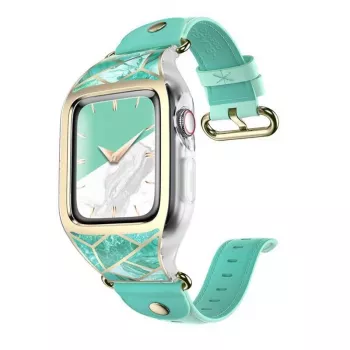
Accurate sensor readings depend on steady skin contact. A comfortable band that fits securely can reduce gaps and improve consistency during daily activity. If you’re looking for band options and fit tips, see the main guide here: 38mm Apple Watch sport band guide with built-in bumper (Series 3/2/1).
FAQ
Can Apple Watch detect atrial fibrillation (AFib)?
Some models can record a single-lead ECG and may flag an irregular rhythm suggestive of AFib. Cardiologists typically use it as a screening clue and confirm with medical-grade testing before making treatment decisions.











Leave a comment