Wide 3-Drawer Storage Tower: Portable Bins for Fast Resets
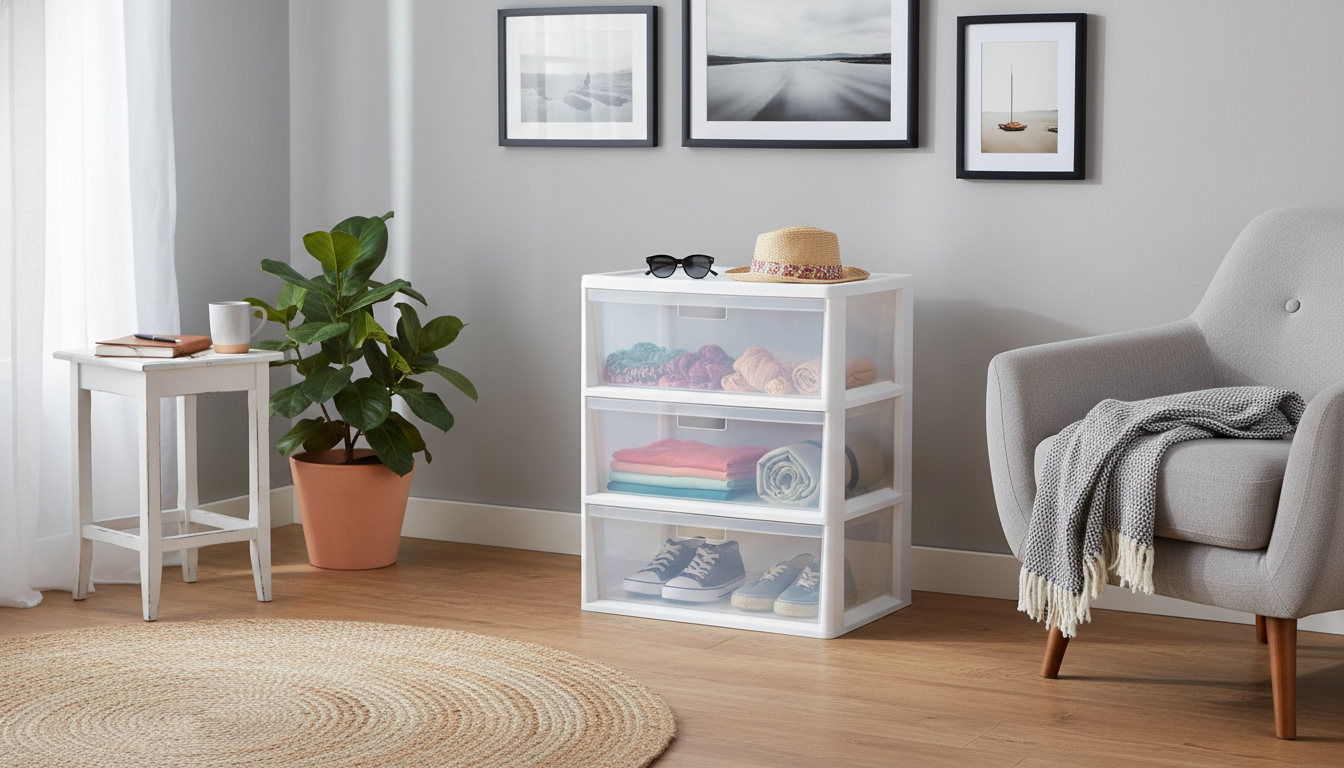
3-Drawer Wide Storage Tower with Portable Bins: Flexible Storage for Busy Spaces
A wide storage tower with portable bins keeps everyday items visible, sorted, and easy to move from room to room. This layout works especially well for small homes, shared spaces, and routine-heavy areas like entryways, bedrooms, laundry corners, and craft stations—anywhere clutter builds up fast. Instead of creating a single “miscellaneous” spot, the goal is to give frequently used items a consistent home, so they’re easier to find and faster to put away. For more guidance, see Packing List – Bowling Green State University.
What a Wide Storage Tower With Portable Bins Does Well
- Creates dedicated “zones” for frequently used items so they stop drifting across counters and floors.
- Supports quick cleanups: loose items can be dropped into a bin, then properly sorted later.
- Makes category-based organizing easier (one drawer per person, project, or purpose).
- Portable bins reduce back-and-forth trips—carry a bin to the spot where items are used.
If the space regularly shifts from “in use” to “needs to look decent fast,” a portable-bin drawer tower can act like a reset button—everything returns to a known drawer without needing a full organizing session every time. For further reading, see Request to Divide Application – USPTO.
Best Places to Use It Around the Home
- Entryway: keys, mail, gloves, dog-walk gear, umbrellas, and small seasonal accessories.
- Bedroom: socks/underwear, hair tools, skincare backups, chargers, and bedside overflow.
- Kids’ area: art supplies, building sets, small toys, flashcards, and school items.
- Laundry room: stain removers, lint rollers, dryer sheets, clothespins, and sewing fixes.
- Home office: stationery, cables, labels, small tech accessories, and shipping supplies.
- Bathroom overflow (outside splash zones): towels, paper goods, and personal-care extras.
For the most daily use, place the tower where decisions happen: near the door where pockets get emptied, beside the desk where cords pile up, or next to the laundry area where small supplies get scattered.
How to Set Up a Drawer System That Stays Organized
- Assign each drawer a single category (not a theme): examples include “daily,” “weekly,” and “rarely” or “cleaning,” “repairs,” and “refills.”
- Use a simple labeling method: short labels on the front edge so anyone can put items back correctly.
- Keep the top drawer for the most-used items to reduce rummaging.
- Group small items in mini-containers inside the drawer to prevent shifting and mixing.
- Adopt a 60-second reset: once per day, return stray items to their drawer rather than letting a new pile form.
For cleaning-related drawers, a quick wipe-down routine helps keep the whole station feeling fresh. The CDC’s guidance on cleaning and disinfecting is a useful reference for maintaining high-touch areas and supplies without overcomplicating the process.
Quick Comparison: Drawer Storage vs. Open Shelves vs. Stackable Bins
Not all storage styles behave the same in real life. If an area gets used multiple times a day, the best system is the one that makes putting things back feel effortless.
| Option | Best for | Trade-offs |
|---|---|---|
| Wide drawer tower with portable bins | Daily categories, shared household items, quick resets | Needs a dedicated footprint; drawers must be kept categorized |
| Open shelving | Display-friendly items, baskets, frequently grabbed supplies | More dust and visual clutter; items can drift out of zones |
| Stackable bins | Bulk storage, closets, seasonal items | Harder access to lower bins; easy to overfill and forget contents |
What to Store in Each Drawer (Practical Drawer Maps)
A “drawer map” is a simple plan that prevents the tower from turning into a random collection point. Pick a map that matches the room’s routines, then stick with it long enough for muscle memory to kick in.
- Entryway map: Top—keys/wallet items; Middle—mail/returns; Bottom—pet gear or seasonal accessories.
- Craft map: Top—cutting/glue tools; Middle—markers/paints; Bottom—paper, fabric, or project kits.
- Laundry map: Top—stain tools; Middle—pods/sheets; Bottom—mending and spare hangers.
- Kids map: Top—homework tools; Middle—small toys; Bottom—bigger sets or refills.
When organizing chargers, adapters, and small electronics, keep cords loosely coiled and avoid running damaged cables. For general home safety reminders around electrical items, the NFPA’s electrical safety tips are a practical checklist.
Care, Safety, and Placement Tips
A Simple Routine to Keep It From Becoming a “Junk Drawer Tower”
Featured Picks for Everyday Organization (and On-the-Go Accessories)
- 3-Drawer Wide Storage Tower with Portable Bins — a wide, drawer-based setup that makes category organizing and carry-to-task cleanup simple.
- Stylish Sporty Apple Watch Band with Protective Bumper for Series 3/2/1 (38mm) — a practical accessory option for everyday wear that helps keep your watch protected during errands and chores.
FAQ
How is a storage tower with portable bins different from a standard plastic drawer unit?
Portable bins are designed to be carried to the work area—crafting, cleaning, sorting school supplies—so you’re not making repeated trips back to the tower. That “grab-and-go” setup also makes category zoning and quick resets easier because items return to a specific bin and drawer.
What should go in the bottom drawer of a wide storage tower?
Use the bottom drawer for heavier or bulkier items like refills, larger kits, or backup supplies to improve stability. Keep daily-grab items in the top drawer, and in homes with kids, place the heaviest items low to reduce tipping risk.
Where should a drawer storage tower be placed for the most daily use?
Put it in a high-traffic zone where clutter naturally collects—an entryway, laundry corner, kids’ station, or home office—and leave enough clearance for drawers to open fully. Keep it out of splash zones and away from direct heat so contents stay clean and in good condition.









Leave a comment