The Row Ija Coat: Shawl-Lapel Wrap With Knotted Sash
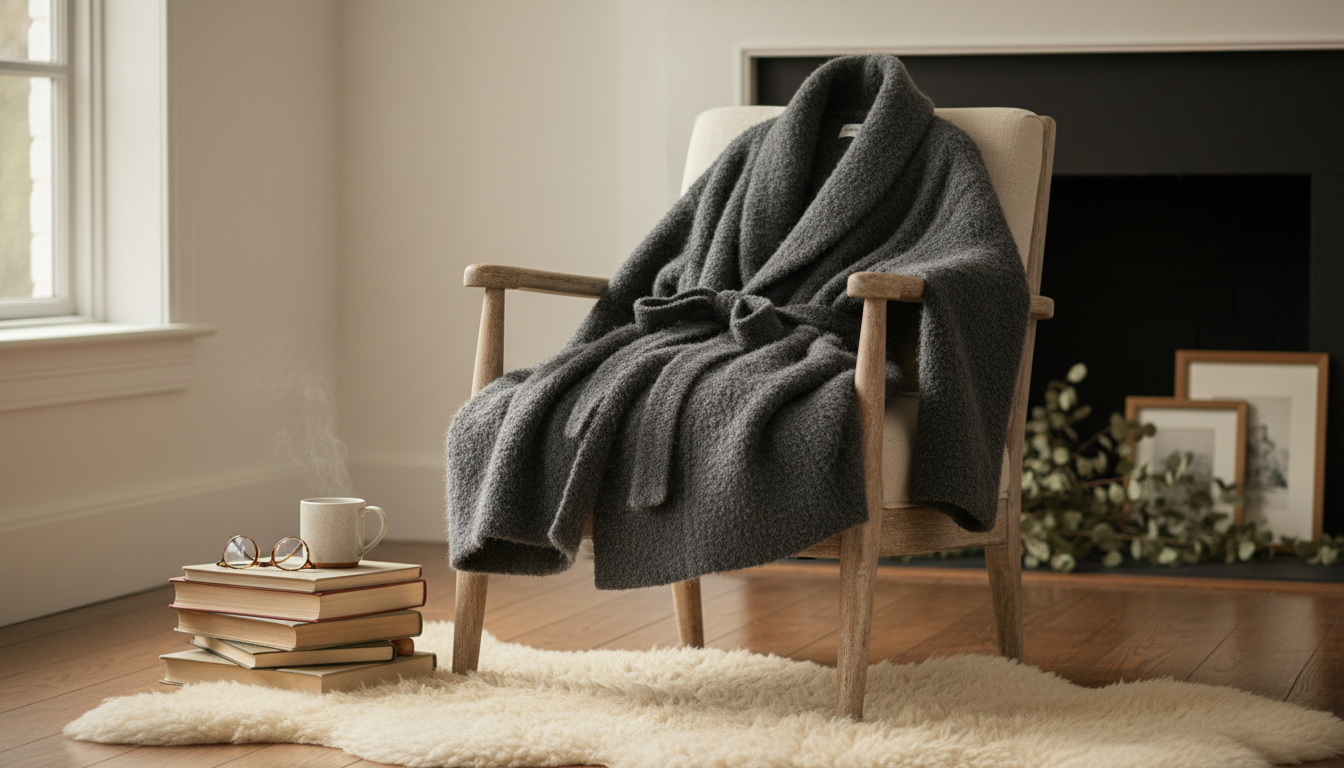
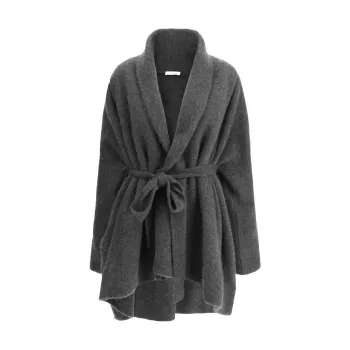
The Row Ija Coat – Elegant Shawl Lapel Knotted Sash Coat
A long, wrap-style coat with a shawl lapel and a knotted sash is a quiet cornerstone for cold-weather dressing—polished enough for evenings, effortless enough for daywear. The Row Ija Coat leans into clean lines, a soft drape, and a belt-defined waist that can be styled loose or sharply cinched, making it a strong option for anyone building a refined outerwear rotation. For more guidance, see [PDF] Bleak House. No. 12 – Furman University Scholar Exchange.
For a closer look at availability and details, see The Row Ija Coat – Elegant Shawl Lapel Knotted Sash Coat. For further reading, see [PDF] Brogue – Belhaven University.
What Sets the Ija Coat Apart
- Shawl lapel framing that reads formal without feeling stiff
- Knotted sash closure that creates shape without visible hardware
- Wrap-front silhouette that layers easily over knitwear or tailoring
- Minimalist finish that pairs with both understated and statement accessories
- Longline proportions that elongate the look and improve warmth coverage
That combination—soft structure, minimal closure, and a long, clean line—makes the coat adaptable. Worn open, it reads relaxed and architectural; tied neatly, it becomes a waist-defined piece that can stand in for a blazer-like layer on dressier days.
Design Details That Influence Fit and Drape
Wrap coats can look deceptively simple, but small construction choices change how the silhouette behaves in motion and how it feels over layers.
- Shawl lapel: Creates a continuous line from neckline to front opening, especially flattering when worn open and allowed to fall naturally.
- Sash placement: The belt position affects waist definition; tying higher looks more structured, tying lower feels relaxed and slightly louche.
- Shoulder and sleeve: Watch for shoulder width and sleeve length to ensure clean layering over blazers or thicker sweaters without pulling.
- Hem length: Long hems elevate formal outfits, but they also matter for commuting, stairs, and wet-weather days.
- Front overlap: Wrap coats vary by overlap depth; more overlap improves warmth and reduces gaping in wind.
If the lapel is doing most of the “visual tailoring,” a clean shoulder line becomes even more important. A shoulder that sits correctly keeps the lapel roll elegant instead of collapsing inward.
How to Style It: Everyday to Evening
Daywear
Wear it open over a fine knit, straight-leg trousers, and leather loafers for an unforced, polished look. Keep the sash loosely knotted at the back or sides so the front hangs cleanly.
Smart casual
Belt it over a monochrome base layer; add a structured tote and minimal jewelry. The sash defines the waist without interrupting the coat’s minimalism with buttons or hardware.
Evening
Cinch the sash tightly, add heeled boots or pumps, and keep accessories sleek—think a compact clutch and slim earrings. A wrap coat like this can function as a “top layer” that still feels intentional indoors when left on.
Weekend
Pair it with denim and a lightweight cashmere sweater; knot the sash once for a relaxed shape. Slightly pushed-up sleeves and an open neckline keep the look easy.
Cold weather
Layer with a turtleneck and scarf; leave the lapel visible to keep the neckline clean. If it’s windy, increase the front overlap and tie the sash firmly to minimize drafts.
Sizing and Wearability Checklist
- Measure a favorite coat’s shoulder width, chest, and sleeve length for a reliable baseline.
- Plan for layering: if wearing over blazers, prioritize shoulder and upper-arm ease.
- If between sizes, consider how it will be worn most often—open and relaxed vs belted and defined.
- Check mobility: raise arms, sit, and walk; wrap styles should stay comfortable without pulling across the back.
- Mind footwear: longline coats often look best with boots, loafers, or heels that balance the hem length.
Quick Buying Checklist for a Shawl-Lapel Sash Coat
| Feature to Check | Why It Matters | What to Look For |
|---|---|---|
| Sash length and placement | Controls silhouette and comfort | Enough length for a secure knot; belt sits naturally at the waist |
| Front overlap | Warmth and coverage | Ample overlap to reduce gaping when walking |
| Shoulder fit | Determines drape and layering | Shoulders sit cleanly without collapsing; room for light-to-mid layers |
| Sleeve length | Affects overall polish | Sleeves hit at the wrist; not overly short when arms bend |
| Hem length | Practicality and proportion | Long enough for elegance; manageable for daily movement |
Care and Longevity
Pairing Ideas From the Same Boutique
- For a streamlined wardrobe: Combine the coat with a refined knit top and minimal accessories for a consistent, elevated look. Keep tones close to create a long, uninterrupted line.
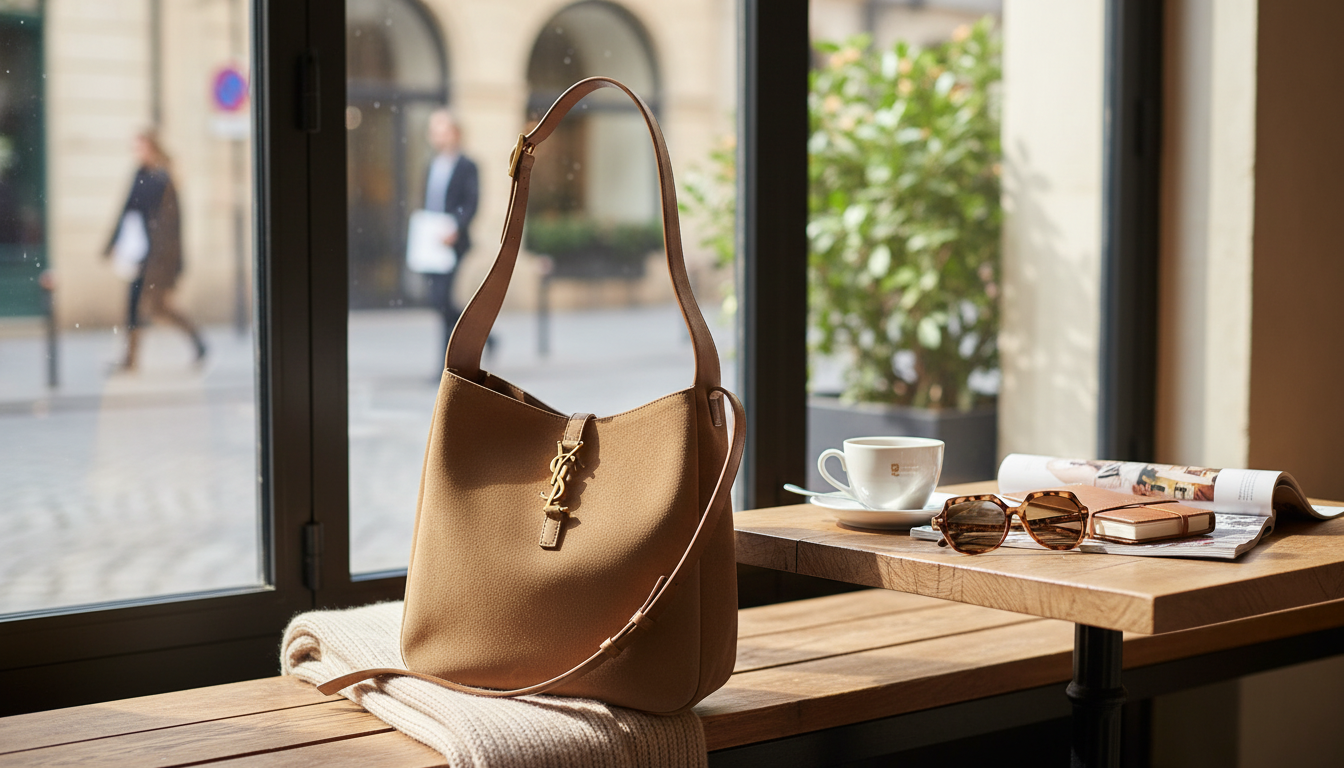
- For a luxury statement: Contrast the coat’s restraint with a classic designer bag such as the Preowned Chanel Caviar Double Flap Bag Medium.
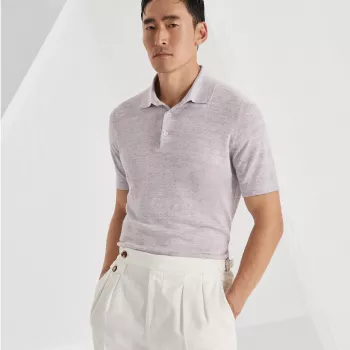
- For relaxed polish: Add a premium polo for transitional weather and travel-ready outfits—try the Brunello Cucinelli Linen Polo Shirt – Premium Mélange Classic under the coat with easy trousers and leather sneakers.
FAQ
Is a knotted sash coat warm enough for winter?
It can be, but warmth depends on fabric weight, lining, and how much the front overlaps. For colder days, layer a turtleneck plus an insulating mid-layer and tie the sash firmly to reduce drafts.
How should a shawl lapel coat fit at the shoulders?
The shoulder seam should sit close to the natural shoulder so the lapel and body drape cleanly. Too wide can make the silhouette collapse, while too tight restricts movement and makes layering uncomfortable.
What’s the best way to tie a sash so it stays put?
Cross the sash firmly, tie a flat knot, and finish with a small bow or a second knot for extra security. Positioning the knot slightly off-center often feels more comfortable and keeps the front line looking cleaner.







Leave a comment